guide · Updated 2026-08-28
Electric Forklifts for Food and Beverage Warehouses
Food and beverage warehouses went electric before anyone else, and hygiene is only half the reason. Capacity for heavy drink pallets, the battery room question, and what auditors care about.
Food Warehouses Went Electric First. Hygiene Is Why
Walk into a modern food or beverage distribution center anywhere in Southeast Asia and you'll rarely find a diesel truck indoors. The reason is simple: exhaust particulates and fuel smell near food product are a contamination risk, and every food safety audit scheme (HACCP, ISO 22000, retailer audits) looks at exactly this.
Electric forklifts produce no exhaust and no fuel spill risk. For food-grade operations that's not a nice extra. It's the entry ticket.
Beverages Are Heavy. Snacks Are Not.
Food and beverage covers a wild range of pallet weights, and your product mix decides your truck.
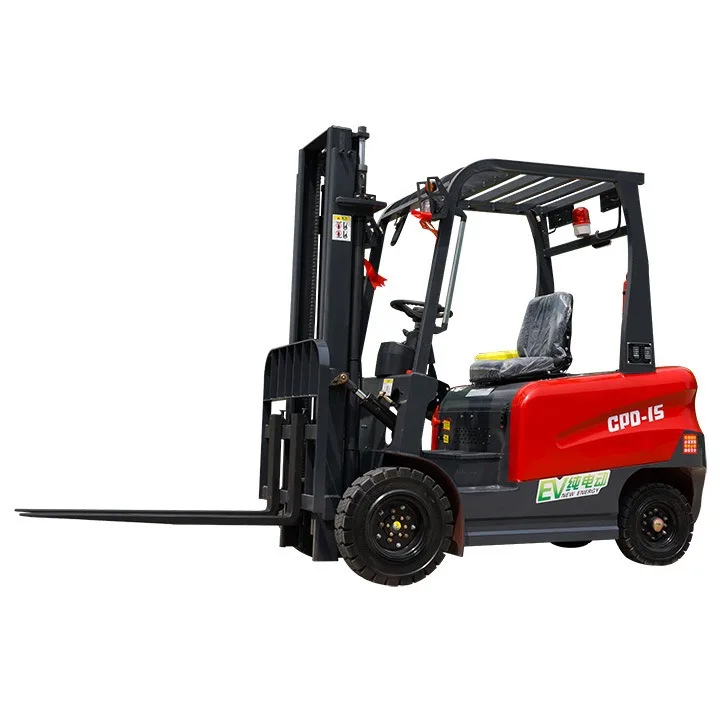
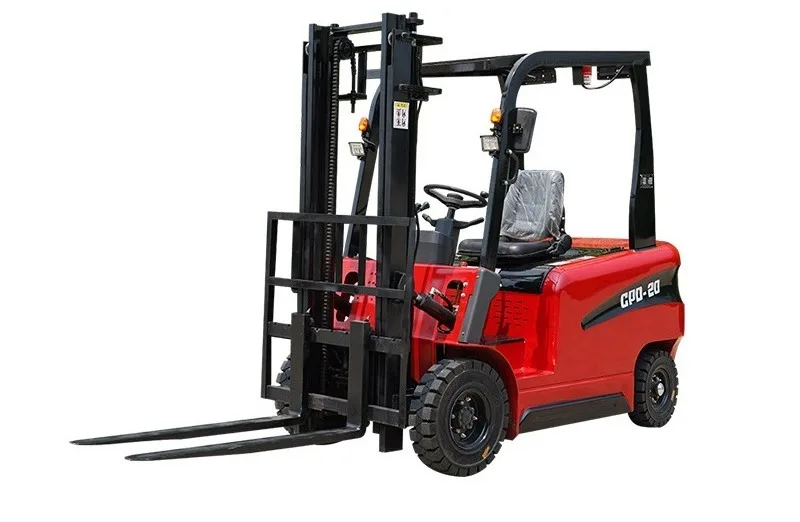
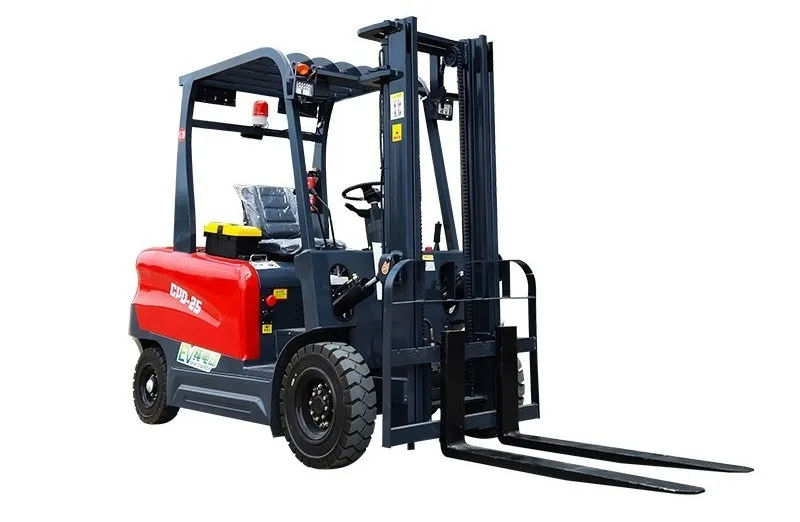
A pallet of bottled drinks or canned goods is one of the heaviest common warehouse loads, often pushing well past a ton. A pallet of chips or biscuits barely registers. If your warehouse handles both, spec for the beverages: typically 1.5 to 2.5 tons of capacity, with margin on top of your heaviest regular pallet.
One more thing beverage buyers learn the hard way: check capacity at your top racking level, not at ground level. Rated capacity drops as the mast rises, and a truck that handles a drink pallet at floor level might not take it to the fourth beam. We confirm residual capacity per configuration during quotation.
The Battery Room Question
This is the decision food operators underestimate. Charging lead-acid batteries releases hydrogen gas and acid fumes, and the batteries need regular watering. That means a separate ventilated charging room, kept away from product and packing areas, plus the discipline to maintain it.
Lithium batteries are sealed. No watering, no gassing under normal charging, no dedicated room. For a food warehouse where every square meter of floor is either racking or revenue, deleting the battery room is a real gain. For multi-shift beverage distribution it's usually the deciding factor. Single-shift dry goods warehouses on a tight budget can still make lead-acid work, if they have the space and someone to own the watering schedule.
Charging time and runtime per charge depend on the configuration and are confirmed during quotation. Our lithium vs lead-acid comparison runs the full numbers logic.
Washdown Areas and Wet Floors
If your operation has washdown zones or regularly wet floors, say so in the RFQ. Water protection levels and component sealing vary by configuration, and a truck that handles dry FMCG work may need different preparation for a wet environment. This is confirmed during quotation, but only if it's in the brief.
Loading Dock Reality
Food distribution runs on delivery windows. Trucks queue at the dock at fixed times, and loading speed is service level. Dock plates, ramps and back-to-back trailer loading are normal duty for a compact electric counterbalance. Mention your dock setup and any ramp gradients in the RFQ so loaded gradeability is checked for your model.