guide · Updated 2026-09-01
How to Spec a Forklift Fleet for Multi-Client Warehouses
3PL work means mixed cargo, unpredictable loads and docks that never stop. How to spec a forklift fleet that handles whatever the next client brings.
The 3PL Problem: You Don't Control What's Coming
A factory warehouse knows its loads. A 3PL warehouse doesn't. This month it's FMCG cartons. Next quarter you sign a client shipping machine parts, and suddenly your comfortable 1.5 ton truck is at its limit on every other pallet.
That's the real starting point for spec'ing a forklift in a logistics warehouse. You're not buying for today's cargo. You're buying for the heaviest client you want to be able to say yes to.
Capacity: Buy for the Client You Want, Not the One You Have
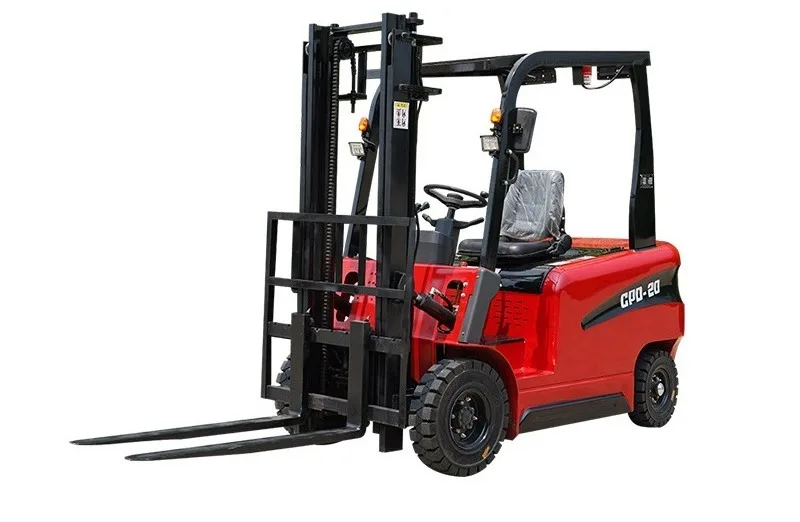
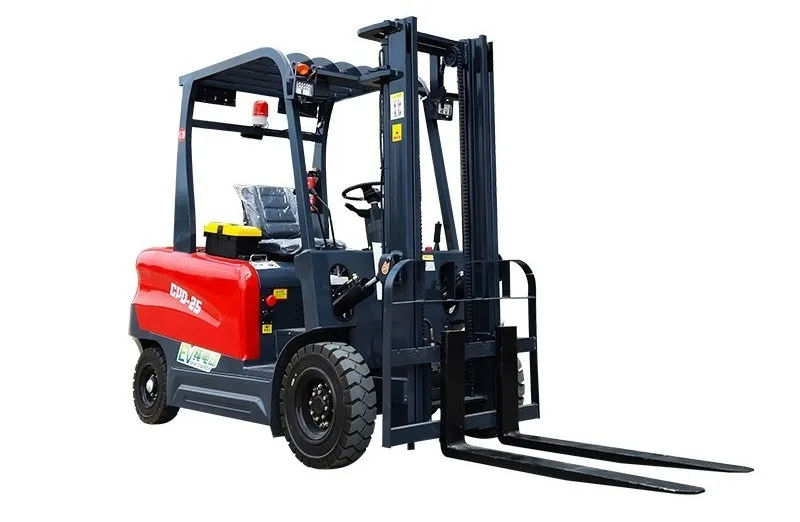
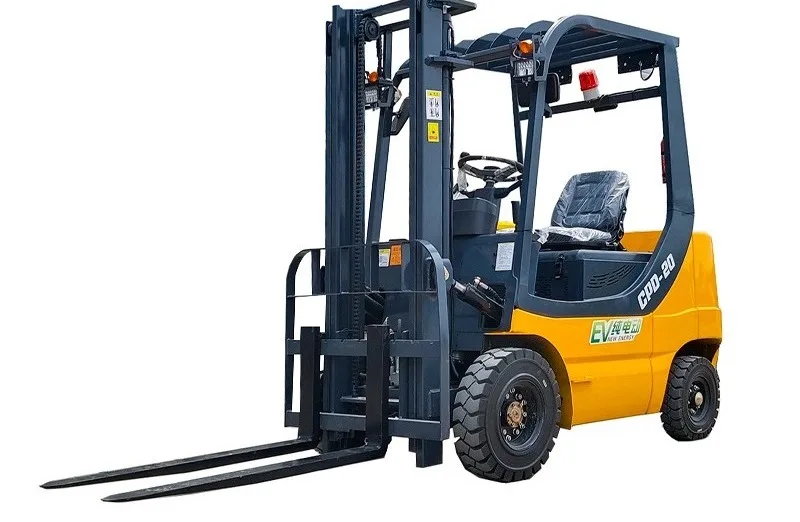
For most 3PL operations in Southeast Asia, the flexible band is 2 to 3 tons. A 2 ton electric forklift covers general cargo, beverages and most palletized freight. Step up to 2.5 or 3 tons if you're chasing building materials, industrial clients or heavy export pallets.
Going bigger costs you aisle room and purchase price. Going smaller costs you contracts. If your client mix is genuinely unpredictable, 2.5 tons is the hedge most operators land on.
Check residual capacity at your top beam height though, because rated capacity drops as the mast goes up. That's confirmed per configuration during quotation.
Docks and Containers: Where Logistics Forklifts Earn Their Keep
Most of a 3PL truck's life happens within 50 meters of the dock. Loading bays, dock plates, ramps, container devanning. Two things matter here.
Dock plates and ramps mean you need adequate loaded gradeability. Tell us your ramp gradient (or measure the plate angle) in the RFQ and we'll confirm the model handles it.
Working inside containers is different from open-floor work. You need a mast with enough free lift to raise forks without the mast extending into the container roof. If devanning is a regular part of your operation, say so. It changes the mast recommendation.
Uptime Is Your Actual Product
A 3PL sells reliability. When a truck full of a client's goods sits at your dock because your only forklift is waiting on a part, that's not a maintenance issue. That's a client meeting you don't want to have.
Three habits that protect uptime:
- Order the wearing-parts kit with the truck. Forks, tires, contactors, filters. Parts shipped later cost more in freight than in parts.
- For multi-shift docks, spec lithium or run a battery swap routine. A truck that charges for eight hours is a part-time truck.
- Ask how parts ship to your country before you buy, not after something breaks. We cover this in writing during quotation.
Mixed Fleets Beat Big Fleets
Two compact electrics usually serve a growing 3PL better than one large truck. You get backup when one is down, two docks worked at once, and lower cost per truck. Many of our buyers start with one unit, prove it in operation, then add the second. Starting with one is normal and the minimum order is confirmed during quotation.