guide · Updated 2026-09-01
8 Reasons SMEs Are Switching to Small Electric Forklifts (And 2 Where Diesel Still Wins)
Real reasons businesses switch to small electric forklifts: the running cost math that surprises every buyer, what happens to your warehouse air quality, and the two honest scenarios where you should still buy diesel.
Nobody Gets Romantic About Forklifts. Here's What Actually Drives the Switch.
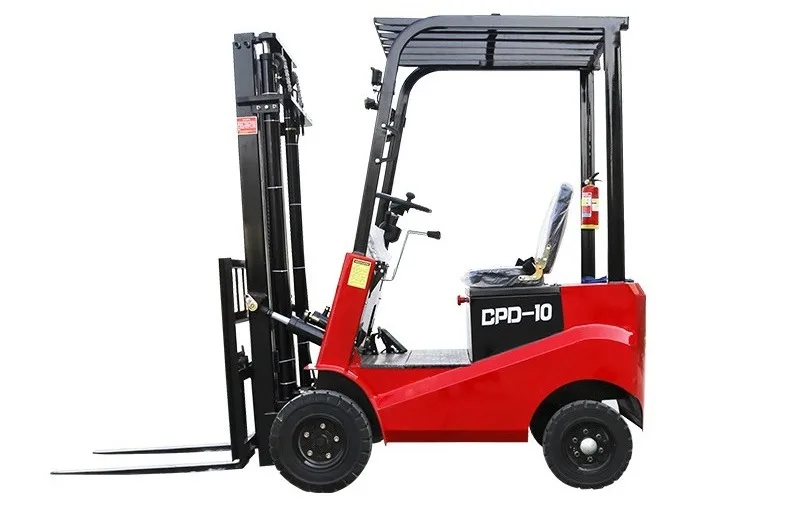
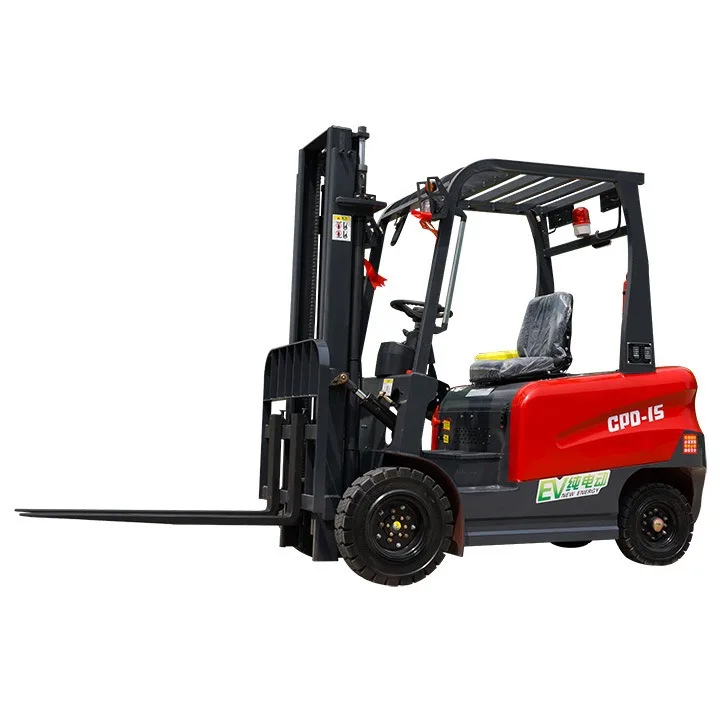
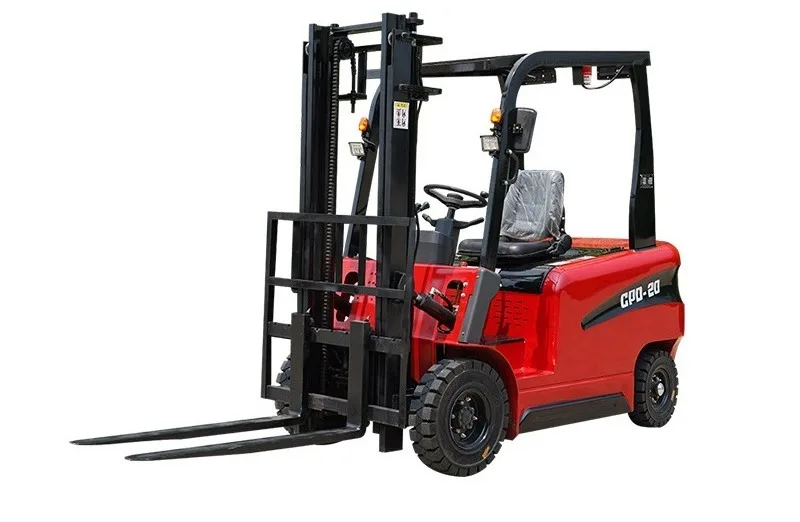
Businesses don't switch to a **small electric forklift** because of green marketing or feel-good corporate messaging. They switch because of things that show up in the monthly accounts and on the warehouse floor. We've been supplying these machines across Southeast Asia long enough to see the same reasons come up in almost every buyer conversation — plus a couple of cases where we tell people straight up that electric is the wrong call.
Here are the eight real benefits, followed by the two honest exceptions.
1. The Running Cost Gap Is Bigger Than Most Buyers Expect
Electricity costs a fraction of what diesel costs per shift in every Southeast Asian market we supply — Malaysia, Vietnam, Indonesia, Thailand, Philippines. The exact ratio shifts with local fuel and grid prices, but it's never close. Over a year of daily single-shift operation, the fuel-cost saving alone covers a meaningful chunk of the truck's purchase price.
That's before you factor in diesel price volatility. Grid electricity doesn't swing 20–30% in a month because of geopolitical news or currency moves. Diesel does. For a business trying to predict next quarter's operating costs, that stability has real value beyond the per-shift arithmetic.
2. Maintenance Is Simpler (and Cheaper) Than You Think
Let's list what an **electric forklift** doesn't have: no engine oil, no fuel filters, no injectors, no exhaust system, no transmission fluid, no timing belt. The drivetrain is a motor, a controller, and some wiring. Service items are mostly tires, forks, contactors, filters and battery care.
For small businesses without a dedicated mechanic or maintenance team, this difference shows up fast. A diesel truck needs someone who knows engines. An electric truck needs someone who can follow a checklist and swap out wearing parts when they wear out. Most warehouses can handle the second one without hiring a specialist.
3. Zero Exhaust: The Benefit Buyers Underestimate Until They've Lived It
In an enclosed warehouse, diesel exhaust isn't just unpleasant. It coats cartons in particulate residue, it irritates staff over time, and if you're in food-grade warehousing or retail-audited distribution, it can actually disqualify your operation from certification requirements (HACCP, ISO 22000, retailer standards).
Electric removes this entire category of problem. No exhaust means no contamination risk, no ventilation expense for fume extraction, no staff complaints about air quality. If you've ever worked a full shift inside a warehouse running diesel trucks, the difference the morning after switching to electric is noticeable immediately.
4. Noise: It Matters More Than Spec Sheets Suggest
An electric truck is quiet. Not silent — you can hear the motor and the hydraulic whine — but quiet enough that pickers can hear each other talk, hear the reversing alarm clearly above ambient noise, and go home without that low-grade fatigue that comes from eight hours in a loud environment.
Fewer misheard instructions. Fewer near-misses because someone didn't hear the truck coming. It's one of those benefits that sounds minor on paper and feels significant after a month of operation.
5. Compact Size Means It Fits the Aisles You Already Have
A **compact electric forklift** is shorter and narrower than a standard counterbalance truck, and it turns in a tighter circle. That's not just convenient — in rented warehouses where every square meter of floor space is cost, fitting between existing racking rows without reconfiguring the whole layout is genuine savings.
As planning figures, compact models work in aisles of roughly 3 to 4 meters with standard pallets. The exact minimum depends on turning circle and pallet size, confirmed per model during quotation. But the general point holds: smaller truck = more racking density possible = more storage in the same building.
6. Lithium Batteries Changed the Uptime Math Entirely
This one deserves its own heading because it's the single biggest technology shift in light-duty forklifts in the past decade. With a lithium battery and opportunity charging — plug the truck in during meal breaks, during shift handovers, during any 30-minute gap in the work day — one battery can cover two or three shifts without a battery swap room, without a second battery, without the eight-hour charge-and-cool cycle that limits lead-acid to roughly one shift per day.
For operations that can't afford a second forklift but need coverage across longer hours, this changes the equation entirely. One lithium-equipped **small electric forklift** doing the work that used to need two lead-acid trucks on rotation. The upfront cost premium pays back fast in multi-shift operations.
7. Predictable Operating Costs Make Budgeting Less Painful
Diesel costs move. Electricity costs are stable by comparison. When you're planning next year's operating budget, knowing that your per-shift energy cost won't double because of something happening on the other side of the world makes the conversation with finance a lot calmer.
It's a boring benefit. It's also a real one, especially for businesses operating on thin margins where unexpected cost swings hurt more than predictable baseline expenses.
8. The Industry Direction Is Clear — And It's Not Toward Diesel
Food safety audits, retailer supplier requirements, workplace regulations and indoor air-quality standards are all moving one direction: toward emission-free equipment indoors. Buying a **small electric forklift** now is buying into the side that's winning this slow-motion transition.
Across Southeast Asia's 1 to 3 ton warehouse class, electric is already the default choice for new purchases in Malaysia, Vietnam, Thailand and Indonesia. Five years from now, a diesel indoor forklift will be harder to resell, harder to get serviced, and potentially harder to insure or certify. Future-proofing isn't exciting, but it has value.
The Two Honest Cases Where Diesel (or LPG) Still Wins
We promised honesty, so here are the two scenarios where we'd tell you not to buy an electric forklift:
First: continuous heavy outdoor work on rough or unpaved ground. If your operation is all-day outdoor yard duty on broken concrete, gravel, or dirt surfaces, diesel or LPG with pneumatic tires is still the right tool. Electric motors and batteries don't like sustained vibration and impact shock, and solid rubber tires on rough ground wear fast.
Second: operations with genuinely no charging window at all. If you run around the clock, 24/7, with no breaks longer than fifteen minutes, and a two-minute diesel refuel is operationally critical... that's diesel territory. This scenario is rarer than most buyers think — most operations have some downtime — but it exists.
Everyone else — indoor warehouses, loading docks, distribution centers, cold storage, e-commerce fulfillment, food and beverage, small businesses upgrading from hand pallet jacks — lands on electric. If you're unsure which camp your operation falls into, describe your actual duty cycle in the RFQ and we'll tell you straight.