guide · Updated 2026-09-01
What Is a Small Electric Forklift? (And Why It's Probably What You Need)
The plain truth about small electric forklifts: what they are, what they aren't, who actually needs one, and which capacity class fits your warehouse, shop floor or loading dock.
So What Exactly Is a Small Electric Forklift?
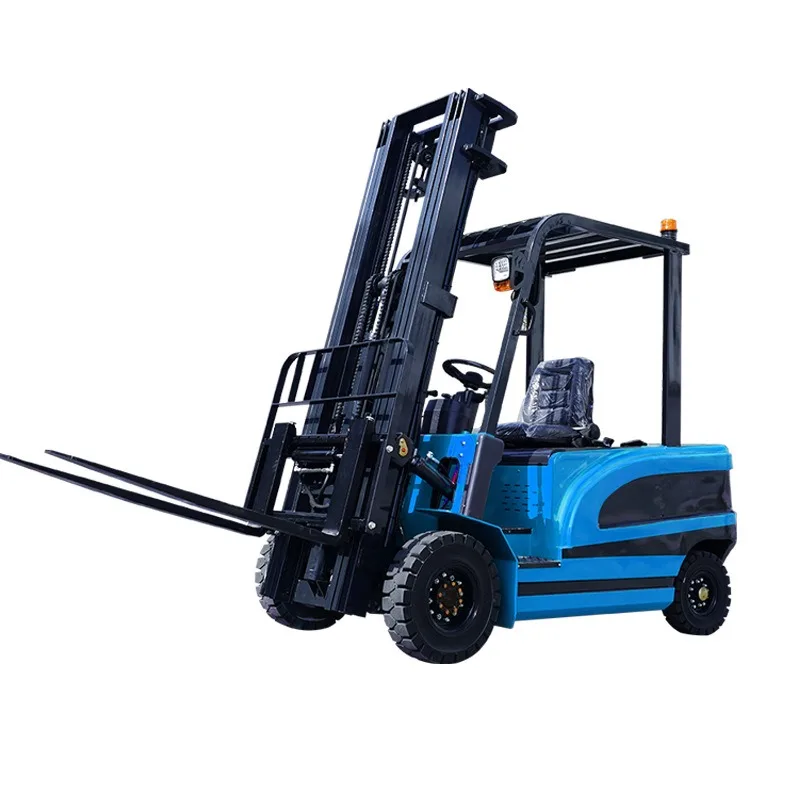
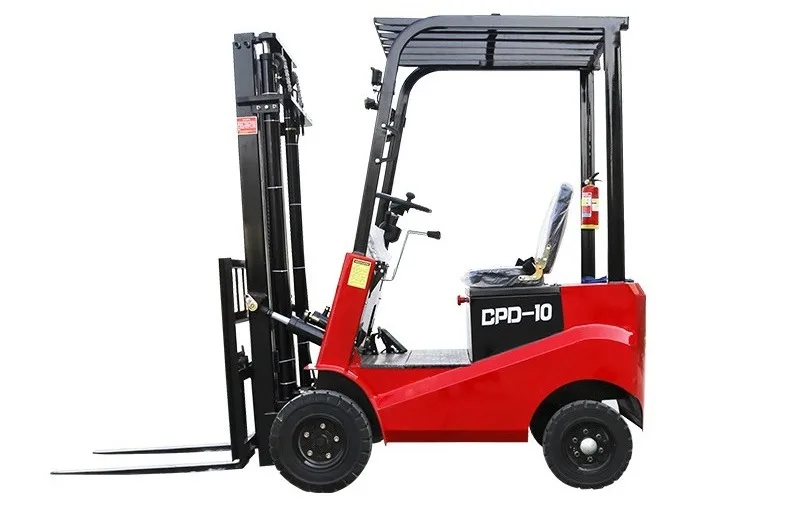
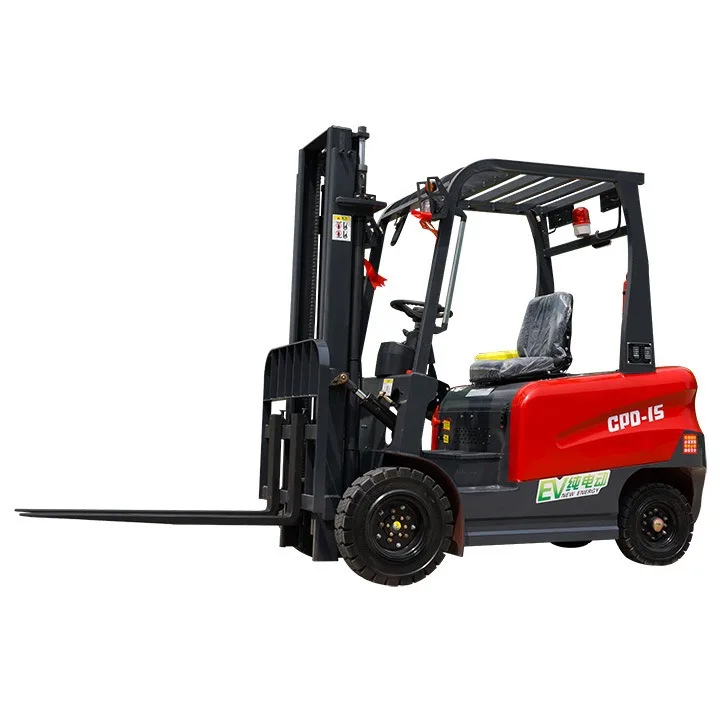
Let's cut through the jargon. A **small electric forklift** is a battery-powered lift truck designed for light to medium-duty work — roughly 800 kg up to 3.5 tons of lifting capacity. It runs on an industrial battery (lead-acid or lithium), not diesel or LPG. It lifts pallets on two forks, stacks them in racking, loads and unloads trucks, and spends most of its life indoors — warehouses, factories, distribution centers, cold rooms.
The 'small' bit isn't just about physical size. It's about the job these machines are built for: moving pallets in spaces where a full-size counterbalance truck either doesn't fit or doesn't make financial sense. If you're running a warehouse in Selangor, a fulfillment center near Ho Chi Minh City, or a factory floor in Jakarta, a **compact electric forklift** is probably the tool that actually matches your daily workload.
'Small' Means Two Things: Capacity and Footprint
First, the weight class. Small electric forklifts sit in the 0.8 ton to 3.5 ton range. Above that you're into heavy industrial territory — different machines, different price bracket, different buyers. Most Southeast Asian SMEs shopping for a first forklift or replacing an old one land somewhere between 1 and 2.5 tons.
Second, the dimensions. A **compact electric forklift** is shorter and narrower than a standard counterbalance truck, and it turns in a tighter circle. That last part — the turning circle — is the number that actually matters. It determines whether your truck can work in the aisles you have, or whether you're about to spend money reconfiguring your entire racking layout. Any supplier who can't tell you the turning circle for their model isn't giving you the full picture.
The Three Types You'll Actually Encounter
When someone says 'small electric forklift' in this part of the world, they usually mean one of these three:
- Four-wheel counterbalance electric forklift: the standard warehouse workhorse. Stable, simple, covers 800 kg to 3.5 tons. This is the machine class most buyers end up with, and it's what we supply.
- Three-wheel electric counterbalance: turns even tighter, less stable on uneven floors. You see these in Europe more than Southeast Asia — useful if your aisles are genuinely cramped, overkill if they're not.
- Electric pallet stacker: a walk-behind or stand-up platform machine for low lifts and floor-level shuttling. Cheaper, but it can't unload containers or stack to 4-meter racking. Different tool entirely.
Four Specs That Decide Whether a Truck Works for You
Forklift spec sheets go on for pages. Here are the four lines that actually determine whether a given **small electric forklift** does the job in your building:
- Rated capacity: maximum lift weight at the standard load center (usually 500 mm). Pick your heaviest regular pallet, add 20–30% margin, and don't cheat downward. Also remember: capacity drops as the mast goes up — a 2-ton truck lifts less at 4 meters than at floor level.
- Lift height: must clear your top racking beam with room for the load. Lowered mast height must clear your doorways, mezzanines, and any low overheads on the route between dock and rack.
- Turning circle: the tightest full turn the truck can make. Add your pallet length and about 300 mm working clearance — that's your minimum aisle width for right-angle stacking. Get this wrong and you've bought a truck that can't reach half your racks.
- Battery type: lead-acid is cheaper upfront and fine for single-shift operations. Lithium costs more but charges fast, handles opportunity charging (plug in at lunch, keep working), and lasts longer in hot climates — a real consideration in Malaysia, Thailand or Indonesia where warehouse temperatures stay high year-round.
Where Small Electric Forklifts Actually Get Used
Across Southeast Asia, we see the same use cases coming up again and again. Chances are your operation falls into one of these buckets:
- General warehousing and distribution: inbound unloading, put-away to racking, replenishing pick faces, loading outbound. The daily bread-and-butter for any **small electric forklift**.
- E-commerce fulfillment centers: light pallets, tight aisles, order waves that spike hard during 9.9 / 11.11 sale events. Speed matters more than raw capacity here.
- 3PL and logistics docks: mixed cargo from multiple clients, container devanning, ramp and dock plate work. Uptime is the product you're actually selling.
- Cold storage and cold chain: freezers, chillers, temperature cycling between dock and storage room. Hard on batteries and electronics — needs proper cold-spec configuration.
- Food and beverage distribution: hygiene requirements rule out diesel, beverage pallets are heavy, auditors check equipment. Electric is non-negotiable in most cases.
- Small businesses buying their first forklift: outgrown the hand pallet jack, tired of hiring by the hour, ready to own something that pays for itself in hired-labor savings.
How to Tell If You Need One (Or Something Else Entirely)
A **small electric forklift** is the right call if: your loads are palletized, your heaviest regular pallet is under 3 tons, most of the work happens indoors or on concrete, and you need to lift above floor level (racking, truck beds, containers).
It's the wrong tool if: you're moving 5-ton steel coils across a gravel yard all day, you only shuttle pallets across a flat floor and never lift above knee height (get a pallet truck), or your aisles are under 2.8 meters wide (that's reach truck territory).
Unsure? Send us four numbers through the RFQ — heaviest pallet weight, top beam height, aisle width, shifts per day — and we'll tell you straight which class fits, with reasons. No catalog dumps, no guesswork.