guide · Updated 2026-09-05
Small Electric Forklift Use Cases: 6 Real Scenarios Where These Machines Earn Their Keep
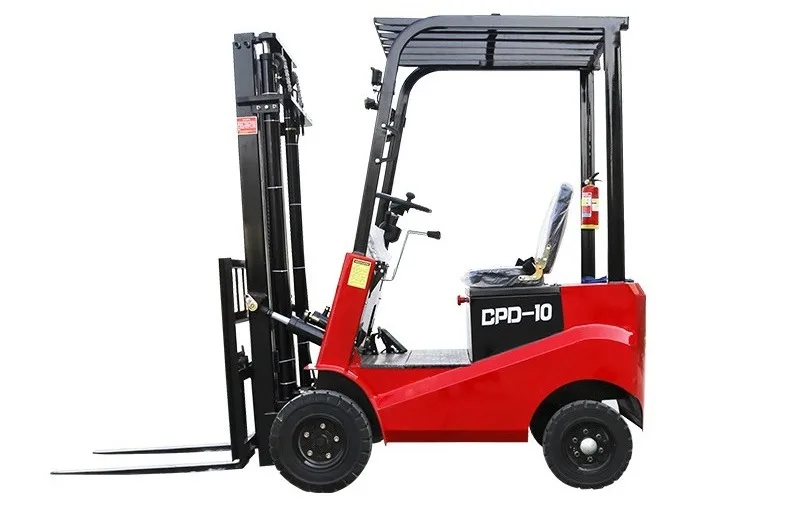
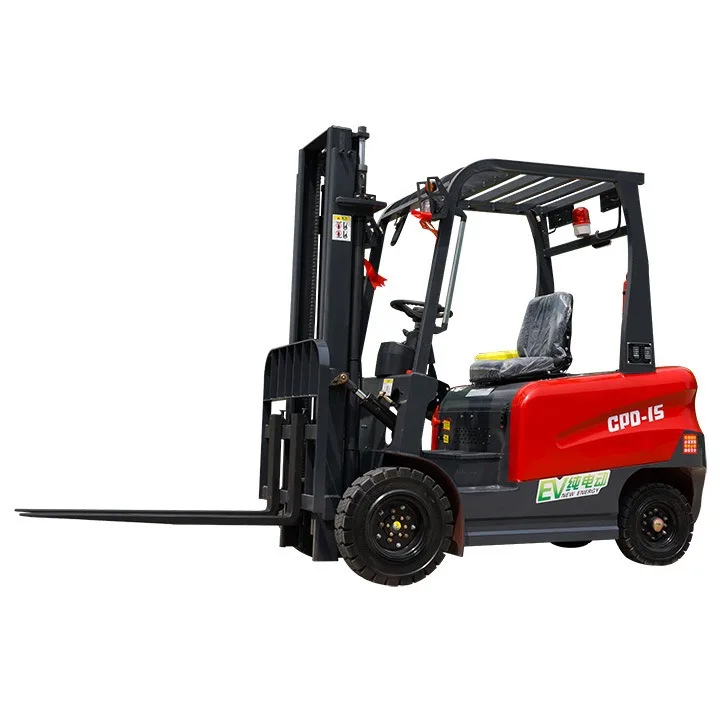
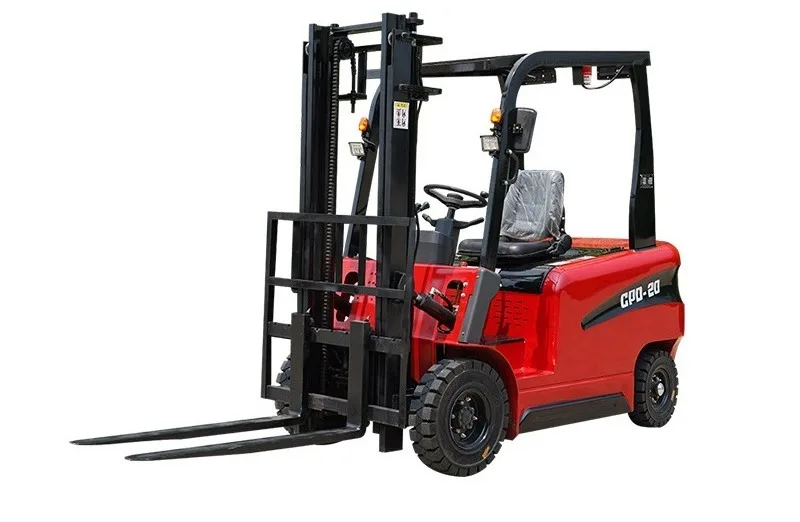
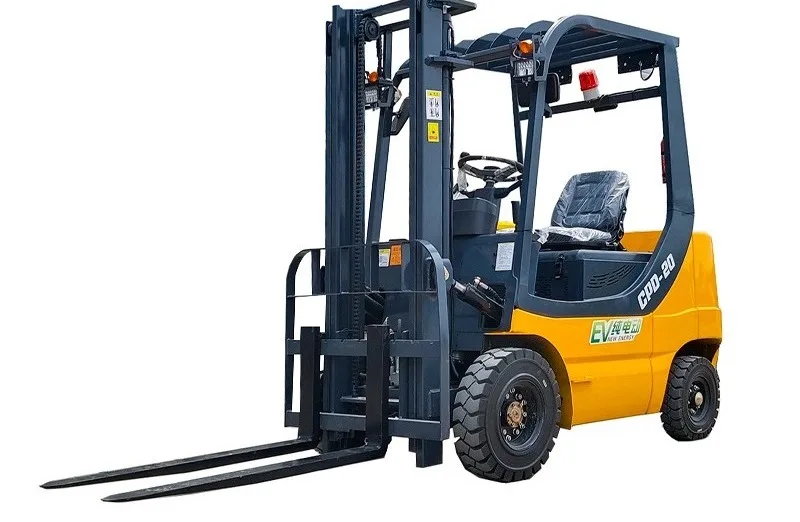
A **small electric forklift** is not a one-truck-fits-all solution — but it covers more ground than most buyers realize. From warehouse pallet work to retail stockrooms, factory floors to loading docks, here are the six most common use cases where a compact electric forklift actually makes sense, and the one where it does not.
Small Warehouse Pallet Handling: The Default Use Case
This is what most people picture when they hear "forklift." A warehouse — usually somewhere between 500 and 3,000 square meters — with racking already installed, aisles between 2.8 and 3.5 meters wide, and one machine expected to do everything: unload at the dock, put away to racks, pull orders, load outbound trucks.
A **small electric forklift** in the 1 to 2 ton range covers this workload cleanly. It turns tighter than a standard counterbalance truck, runs quiet enough that you do not need ear protection indoors, and produces zero exhaust — which matters if your warehouse shares air with an office or a retail space upstairs.
The specific configuration depends on three numbers: your heaviest regular pallet weight, your top racking beam height, and your narrowest aisle width. Send those in an RFQ and we confirm whether a 1 ton or 1.5 ton model fits your operation, with exact turning circle and residual capacity at height confirmed during quotation.
Factory Floor Material Moving: Raw In, Finished Out
Factories are messier than warehouses. Raw materials arrive on pallets — sometimes heavy ones, steel coils or bags of polymer resin that push past 2 tons. Finished goods leave on different pallet sizes, often across mixed indoor and outdoor areas with ramps between the production floor and the yard.
A **small electric forklift** handles this kind of factory material handling well within its capacity band. Models from 1.5 to 3 tons cover most small-to-medium manufacturing loads. Solid tires handle the smooth concrete inside and the loading dock outside. Zero exhaust means no fumes near production lines or food-grade areas — a real advantage over diesel trucks in any enclosed factory space.
The thing to watch: gradeability. If your factory has a ramp steeper than about 5 percent, or dock plates with a noticeable angle, tell us the gradient in the RFQ so we confirm the model can handle it loaded. A truck that climbs empty but struggles when carrying 2 tons is a problem you want to catch before it arrives.
Loading Dock and Container Unloading: Where the Truck Pays for Itself
Unloading a 40-foot container by hand is slow, hard, and nobody wants to do it twice. A **small electric forklift** with a 3-meter mast and solid tires can strip a container of standard pallets in a fraction of the manual time, then shuttle those pallets directly into racking or a staging area.
This is one of the highest-ROI use cases for a compact electric forklift, especially for importers and distributors who receive containers weekly. The machine does not need to be fancy — a 1.5 or 2 ton model with a standard mast and lead-acid battery is usually enough if you are doing one shift of dock work per day. Lithium becomes worth it the moment you start running two shifts or working through lunch breaks.
One practical tip: measure your container door height and your lowest overhead clearance along the route from dock to storage. Some containers sit lower than others, and some dock canopies are tight. Lowered mast height is confirmed during quotation — send us your measurements and we verify fit before you commit.
Retail Backrooms and Stockrooms: Small Space, Real Need
Not every forklift user operates a warehouse. Supermarkets, hardware stores, furniture retailers and auto parts shops all have backroom operations where pallets need moving from delivery bays to stock shelves, often through standard doorways and tight corridors that would swallow a full-size truck.
A **mini electric forklift** or compact model in the 1 to 1.5 ton class is built for exactly this kind of indoor material handling. Narrow body width, low noise, solid tires that will not mark polished concrete floors, and zero emissions that keep air quality acceptable in spaces connected to customer areas.
Cold storage ante-rooms and chilled warehouses add another layer. A **small electric forklift** with a lithium battery handles low-temperature environments better than lead-acid — less capacity loss in the cold, faster recovery after a cold start. If you are running product into a chiller room regularly, mention the temperature range in the RFQ so we confirm the battery spec matches your conditions.
Workshop and Light Manufacturing: Occasional Use, No Nonsense
Workshops are different from factories. The forklift might sit idle for hours, then get called to move a pallet of raw materials in, shift a finished machine onto a truck, or reorganize stored inventory. It is occasional-use equipment, not a shift-long workhorse — but when you need it, you really need it.
For this pattern, a **small electric forklift** in the 1 to 1.5 ton range with a lead-acid battery is usually the right call. Lower upfront cost, simple maintenance, and a single charge lasts through days of intermittent use. You are not paying for multi-shift capability you will not use.
Two things to check before buying: doorway clearance (workshops often have narrower doors than industrial buildings) and floor condition. If your workshop has expansion joints, uneven concrete or debris from cutting and grinding, tell us — tire choice and ground clearance matter more in that environment than people realize.
E-Commerce Fulfillment: Speed Over Brute Force
E-commerce fulfillment centers live and die by throughput velocity. Inbound containers arrive, pallets go to dense racking, pick faces get replenished, outbound orders stack up — and during sale events like 9.9 or 11.11, the same equipment runs double or triple shifts while everyone watches the clock.
A **small electric forklift** fits e-commerce operations because most e-commerce pallets are light — cartons of apparel, consumer electronics, cosmetics — rarely exceeding 800 kg. A 1.5 ton model covers this with comfortable margin while staying narrow enough for the tight aisle layouts that maximize storage density in fulfillment centers.
The battery decision here is straightforward: if your operation runs any multi-shift peaks, lithium with opportunity charging is not a luxury, it is operational insurance. A lead-acid truck that dies at 4 PM on the biggest shipping day of the year is not a cost saving — it is a bottleneck that costs orders. Exact charge time and shift coverage are confirmed during quotation.
When a Small Electric Forklift Is Not the Answer
Honesty saves money. Here are situations where a **small electric forklift** is the wrong tool, and you should look at something else instead:
- Heavy outdoor industrial work — moving 5-ton steel beams across gravel yards, continuous port operations, mining support. That is heavy diesel territory.
- Very narrow aisles under 2.8 meters with racking above 5 meters. You need a reach truck or VNA equipment, not a counterbalance.
- Pure horizontal shuttling with no lifting above knee height. An electric pallet jack or walkie stacker costs less and does the actual job.
- 24/7 operation with charging windows shorter than 15 minutes. Diesel or LPG is the realistic answer there.
How to Match Your Operation to the Right Configuration
Every use case above comes down to the same handful of variables. If you are deciding whether a **small electric forklift** fits your operation — and which one — send these details in your RFQ and we will recommend a configuration matched to your actual work, not a generic catalog suggestion:
With those six pieces of information, we can tell you whether a compact or mini electric forklift fits your use case, which capacity class makes sense, and what battery and mast configuration keeps the machine earning its keep for years. No guesswork, no overselling — just a recommendation based on what you actually do every day.
- Heaviest pallet weight you lift regularly (not occasionally — regularly)
- Top racking beam height or maximum lift height you need
- Narrowest aisle width in your workspace
- Shifts per day and whether you run multi-shift during peak periods
- Indoor only, outdoor only, or mixed indoor-outdoor (dock, yard, ramp)
- Any special conditions: cold storage, food-grade hygiene requirements, confined doorways, rough flooring